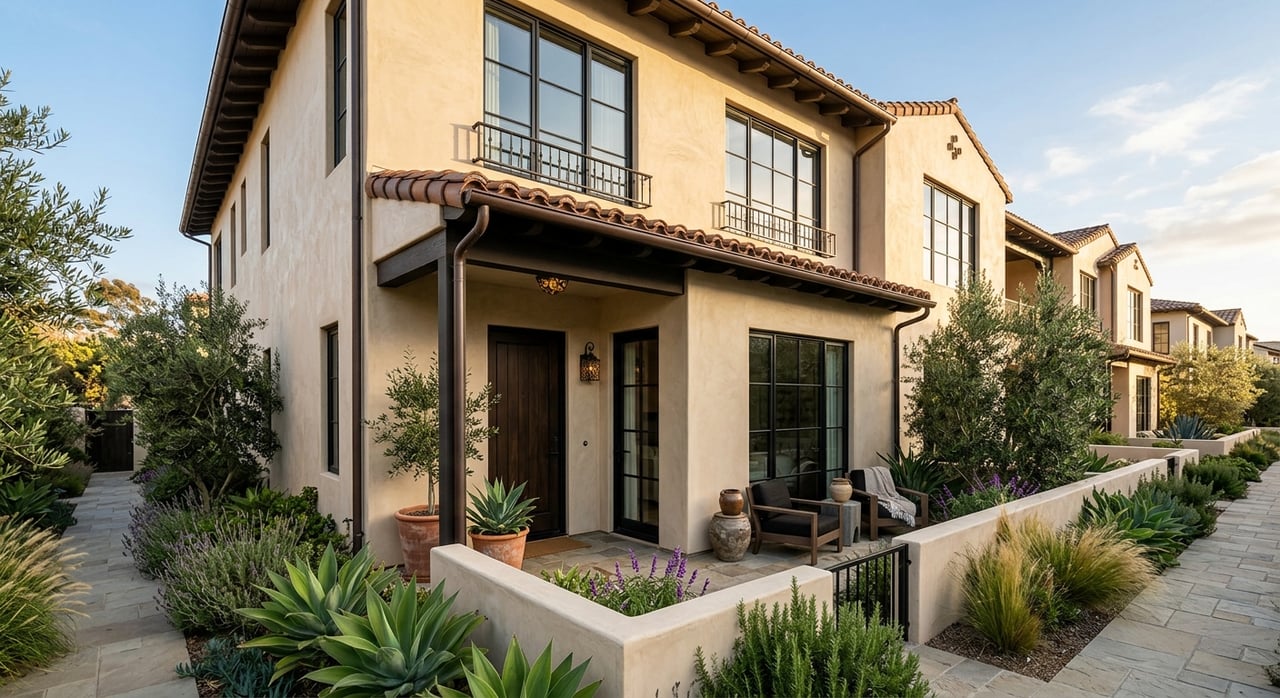
Choosing Between Homes, Condos, and Townhomes in Camarillo
May 21, 2026
May 21, 2026
Trying to choose between a house, condo, or townhome in Camarillo? That decision can shape your monthly budget, your maintenance load, and how much flexibility you have over time. If you want a clearer way to compare your options, this guide will walk you through how each property type works in Camarillo and what to look for before you buy. Let’s dive in.
In Camarillo, the decision is often bigger than purchase price alone. Recent Census data shows a median owner-occupied home value of $766,100, a median gross rent of $2,650, and an owner-occupied housing rate of 64.5%. That means many buyers are weighing not just what they can buy today, but what they can comfortably carry month to month.
Your real cost of ownership may include mortgage payments, property taxes, insurance, HOA dues, maintenance, and possible future repairs. In California, Ventura County says secured property taxes are generally 1% of assessed value, plus voter-approved bonds and direct assessments. So when you compare homes, condos, and townhomes in Camarillo, the smartest question is often, “What will this really cost me each month?”
Camarillo is still primarily a detached-home market. SCAG’s local profile reports that single-family detached homes make up 60.0% of the city’s housing units, while single-family attached homes make up 16.9%, and multifamily housing accounts for 19.3% combined.
At the same time, the city is planning for more attached and multifamily housing. The City of Camarillo’s 2023 General Plan Annual Progress Report says about 56% of city land is designated residential, and the city’s 2021 to 2029 Housing Element was certified in 2023. For you as a buyer, that means all three property types matter, but attached options are becoming more visible in planned and infill areas.
A single-family detached home is the classic ownership format. You own the home on its own lot, and you usually have the most direct control over the property. That often appeals to buyers who want more privacy, more outdoor space, or more freedom to make changes over time.
Detached homes can be a strong fit if you want flexibility with layout, storage, yard use, or long-term plans. In Camarillo, they remain the dominant housing type overall, and planning documents suggest they are more commonly associated with lower-density sites and larger-lot or peripheral residential areas.
More control usually means more responsibility. The California Department of Real Estate advises buyers to budget not only for down payment and closing costs, but also for taxes, insurance, repairs, upgrades, and ongoing maintenance.
If you buy a detached home, you may be taking on roof work, exterior upkeep, landscaping, and other repair items yourself. That does not make it a better or worse choice. It simply means you should be realistic about both the time and money the property may require.
A condominium is part of a common-interest development. In most cases, you own your unit and share an undivided interest in the common areas with other owners. The homeowners association, or HOA, helps govern the project and maintain shared elements.
For many buyers, condos can offer a more streamlined ownership experience. If you want less exterior maintenance and a more predictable upkeep structure, a condo may be worth a close look.
Condo ownership comes with shared governance. The California Department of Real Estate notes that CC&Rs and HOA rules shape how the property is used and how the development operates. Those rules can affect everything from maintenance responsibilities to day-to-day use of the property.
You also need to factor HOA dues into your monthly budget. If the community has planned repairs or underfunded reserves, special assessments may also come into play. That is why reviewing the HOA documents, budget, and public report is such an important part of the process.
Townhomes often seem like a middle-ground option, but in California, “townhome” is mostly a building style, not a single legal ownership category. According to the California Department of Real Estate, a townhome project may be structured as a condominium or as a planned development.
That distinction matters because maintenance responsibilities can vary from one project to another. In one community, the HOA may handle major exterior elements. In another, you may be responsible for more than you expected.
If you are touring townhomes in Camarillo, do not assume they all work the same way. Ask who is responsible for the roof, siding, driveway, yard, and exterior paint. Also ask whether the property is legally a condo or a planned development.
This is one of the most important steps you can take as a buyer. The way the property is structured affects your monthly costs, your repair obligations, and your long-term ownership experience.
Camarillo’s planning documents show that attached housing is especially visible in planned and infill-oriented areas. The Camarillo Commons strategic plan says residential development in that area is limited to attached multi-family units such as townhomes and condominiums. It also points to vertical mixed-use along Arneill Road and Aldea Drive and medium-density attached units in the Raemere Street neighborhood.
The city’s adopted housing element inventory also lists townhomes, rental townhomes, apartments, and mixed-use residential projects at sites including Pleasant Valley and Lewis Road, Glenn Drive and Chapel Drive, west of Village at the Park, and the Verdugo Way and Camino Ruiz corridor.
Detached housing remains the largest part of the overall market. The same housing element inventory includes single-family projects at Somis and Upland Road and West Springville. In practical terms, that means detached homes may show up more often in lower-density settings, while condos and townhomes may be easier to find in newer infill and mixed-use corridors.
A detached home may fit best if you want the most autonomy over the property. You may have more freedom with outdoor space, storage, and future improvements. This option often works well for buyers who are comfortable planning for maintenance and repair costs over time.
A condo may make the most sense if you prefer a lower-maintenance ownership style. You still need to understand the rules, dues, and shared governance, but you may have less direct responsibility for exterior upkeep than you would with a detached home.
A townhome can offer a balance between space and maintenance, but only after you confirm the legal structure and maintenance split. Some projects feel very condo-like. Others function more like a planned development with different owner responsibilities.
Before you decide, ask questions that go beyond finishes and layout. A smart tour is not just about whether a home looks good today. It is about how the property will work for you month after month.
Here are some of the most important questions to ask:
It is easy to focus on square footage, finishes, or curb appeal. Those details matter, but they are only part of the decision. The better question is how the property supports the way you want to live in Camarillo.
If you want flexibility and independence, a detached home may stand out. If you want a more managed ownership experience, a condo may feel like a better fit. If you like the idea of something in between, a townhome can be a strong option, as long as you verify exactly how that community is set up.
The right choice is the one that aligns with your budget, your comfort level with maintenance, and your long-term plans. If you want help comparing property types in Camarillo and understanding the fine print behind the lifestyle, connect with Larry Krogh for thoughtful, local guidance.
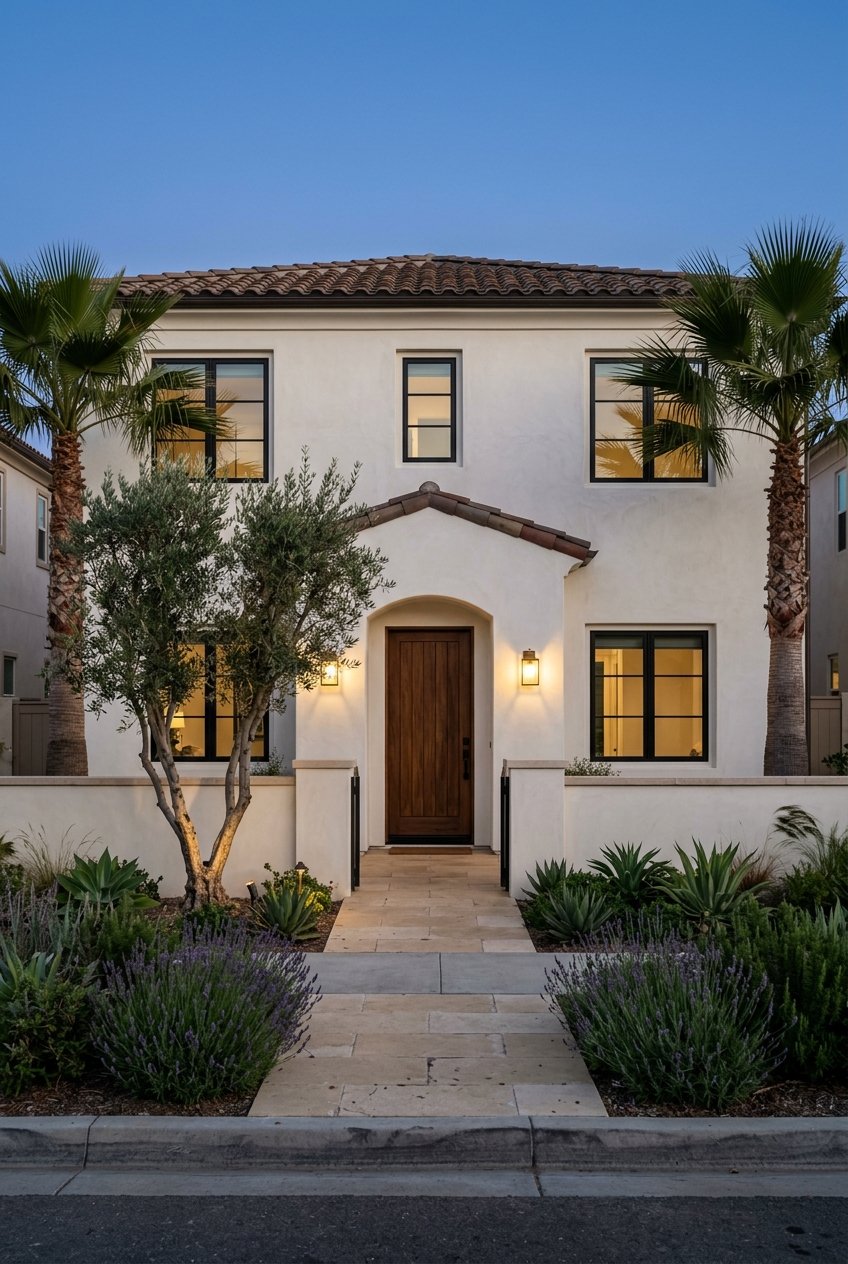
Smart Curb Appeal Hacks for Homes Across Ventura County’s Coastal Communities.
Key Factors for Sellers Across Ventura County and Southern California.

How to Explore Art and Culture Throughout Downtown Ventura and Beyond.
Simplifying Your Move in Ventura, CA, and Other Ventura County Communities.
Our client-first approach means we take the time to understand your unique needs and goals, offering personalized solutions that deliver exceptional results. With decades of experience and a deep knowledge of Ventura’s luxury real estate market, we’re here to provide guidance, insight, and unwavering support from start to finish.