Santa Barbara Home Styles That Match How You Live
July 9, 2026
July 9, 2026
If you have ever walked through Santa Barbara and felt like the whole city speaks the same design language, you are not imagining it. Santa Barbara’s homes tell a clear architectural story, shaped by history, climate, and careful city planning. If you are touring homes here, understanding a few key styles can help you look past curb appeal and see how a property may actually live day to day. Let’s dive in.
Santa Barbara has a more unified architectural identity than many coastal California cities. According to the City of Santa Barbara, that consistency grew in part from preservation efforts after the 1925 earthquake, along with long-standing design review that helped protect the city’s historic character.
You can still find original Spanish Colonial and Mexican-era adobe structures, but the city is especially known for Spanish Colonial Revival and Mediterranean Revival architecture. Today, the Architectural Board of Review, Historic Landmarks Commission, historic districts, and design standards all continue to shape how exterior changes fit the local setting.
For you as a buyer, that matters in a practical way. A home’s style in Santa Barbara is not just about looks. It can affect layout, outdoor living, renovation options, and even what future exterior changes may require review.
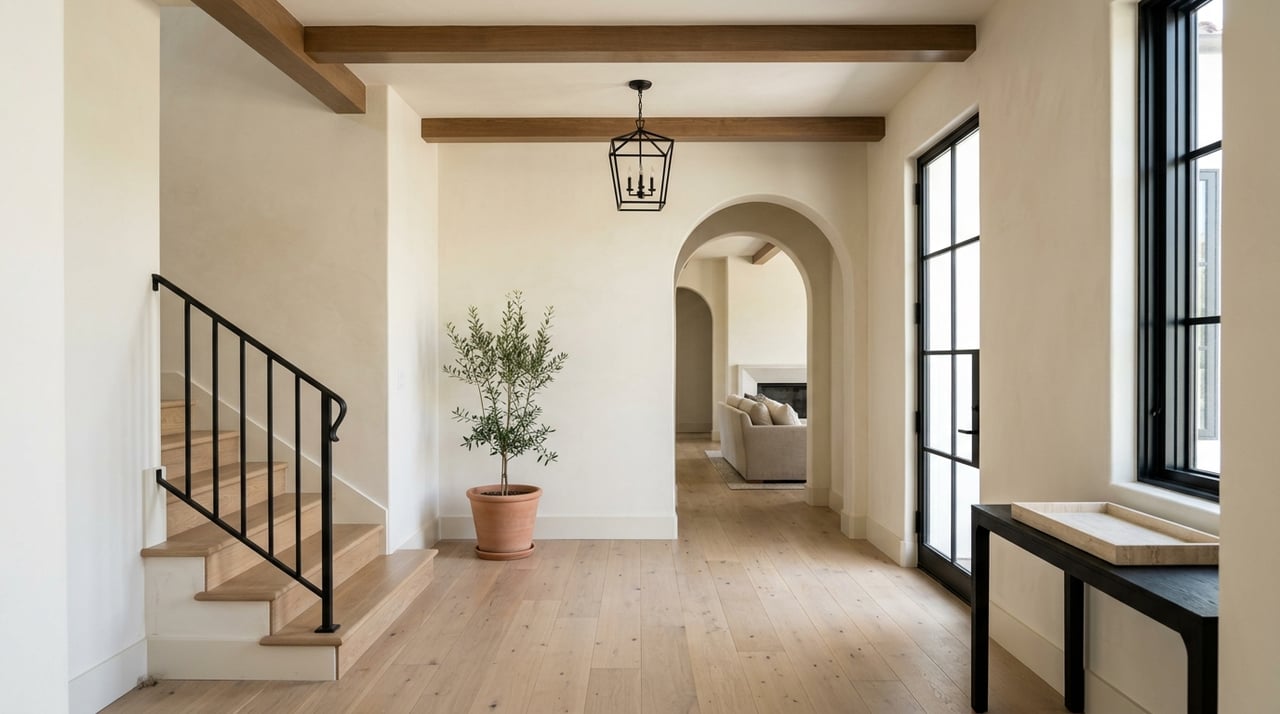
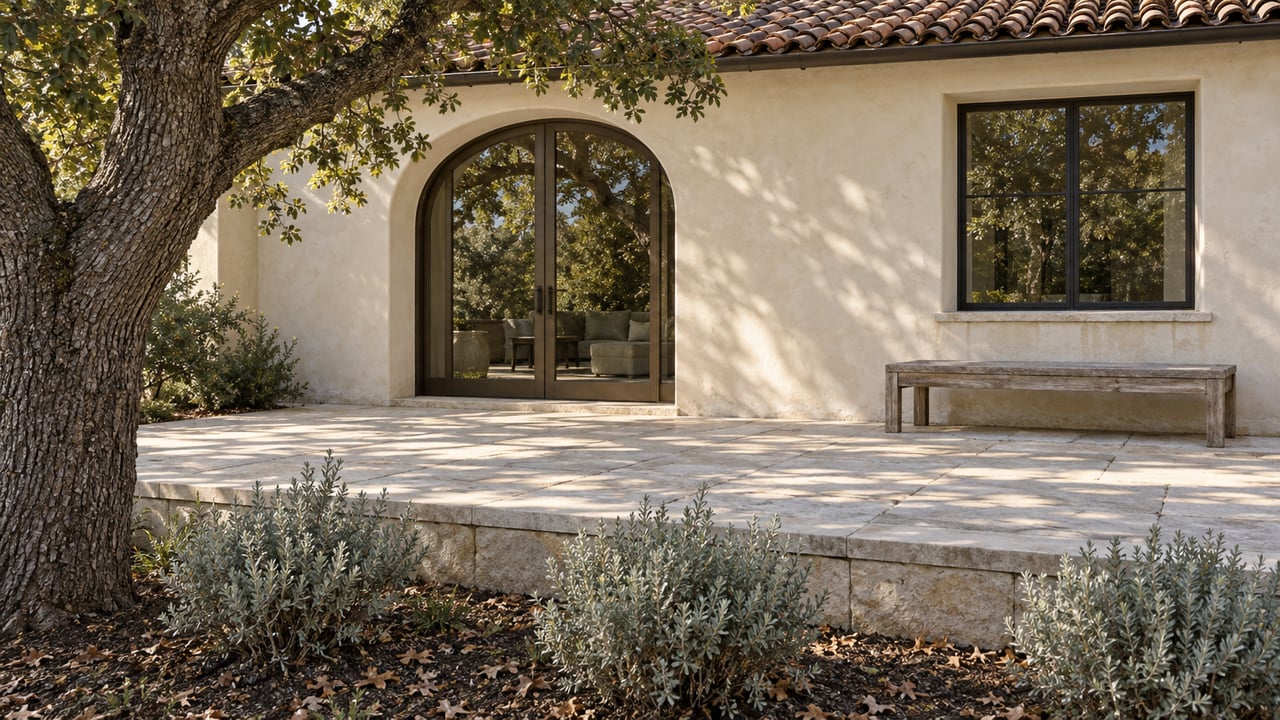
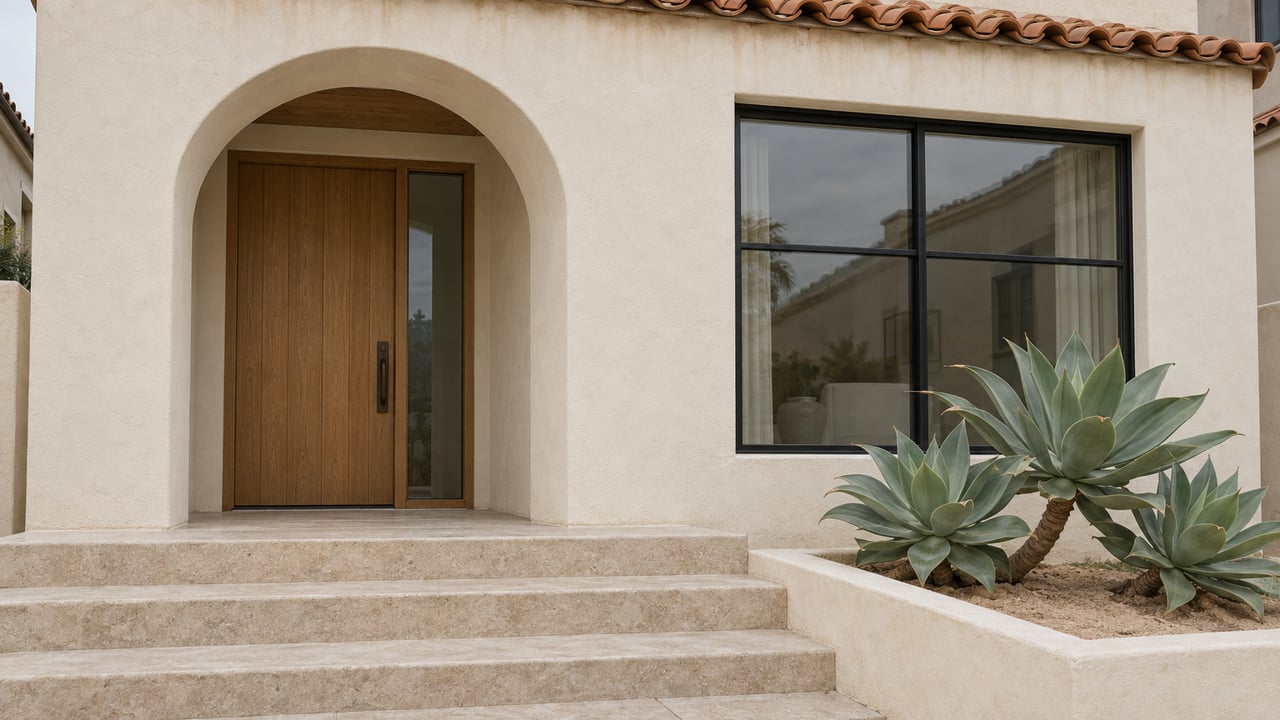
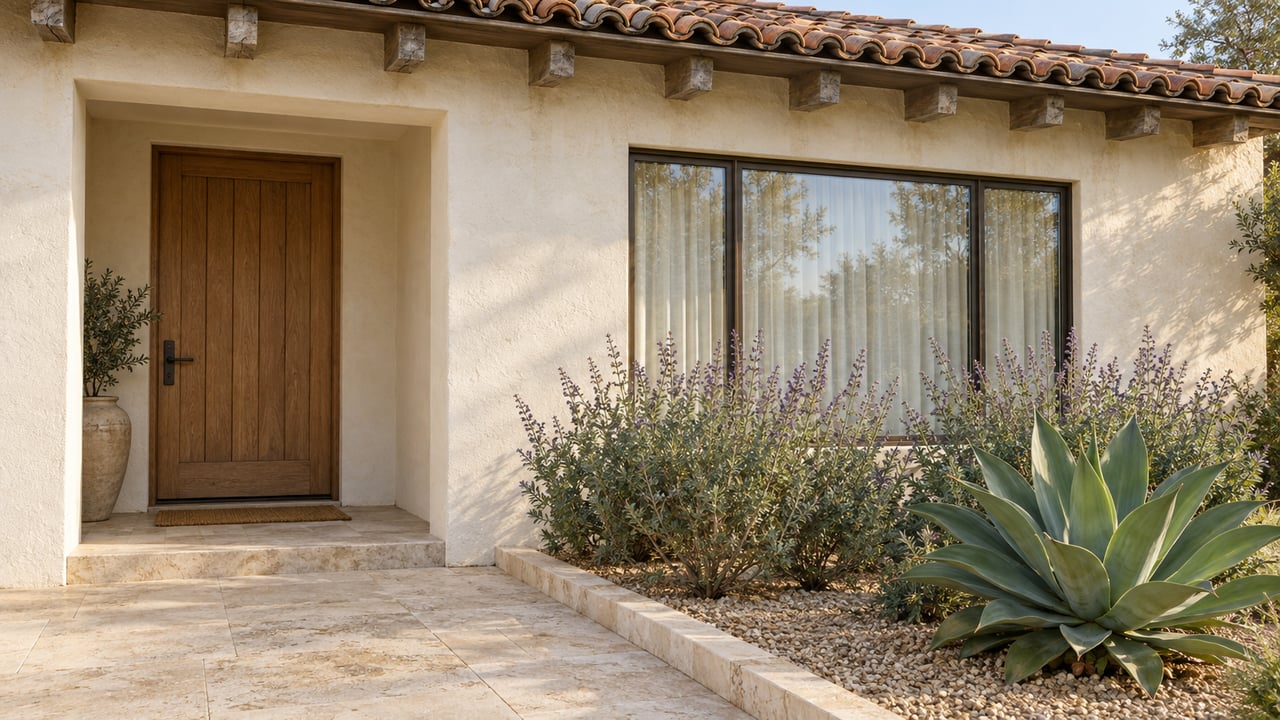
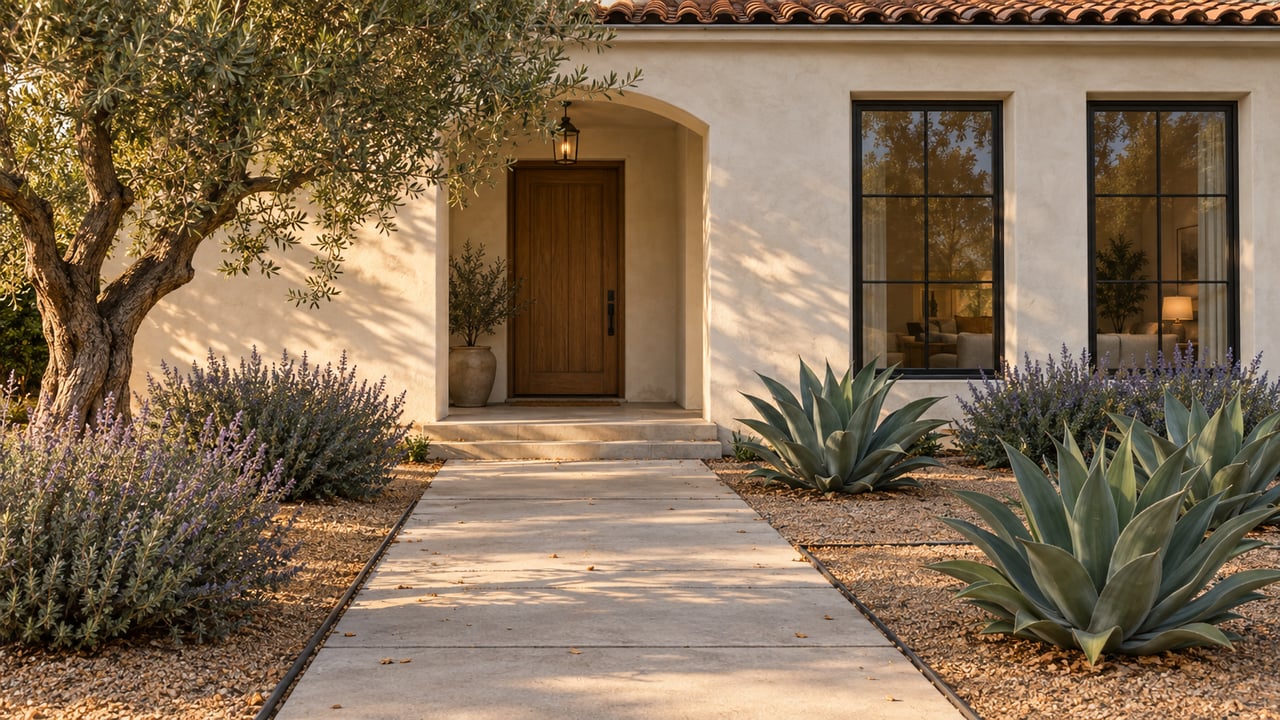
Spanish Colonial Revival is the style many people picture first when they think of Santa Barbara. City design guidance describes it as influenced by southern Spanish architecture, especially Andalusian vernacular, with simple massing, clay tile roofs, smooth stucco or whitewashed walls, recessed entries, arched openings, wood windows and doors, and details in tile or wrought iron.
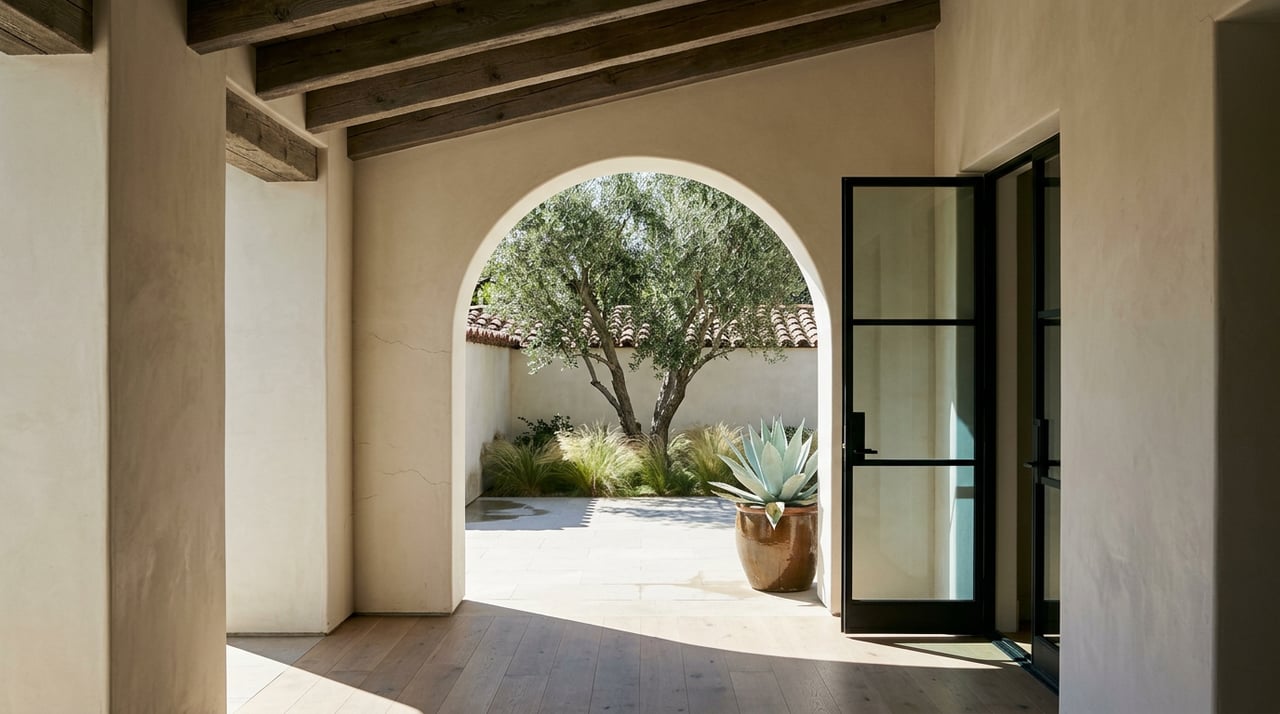
This style is deeply tied to Santa Barbara’s climate. Patios, courtyards, and arcaded walkways are not just decorative choices. They support the kind of indoor-outdoor living that makes sense in a mild coastal setting.
When you tour a Spanish Colonial Revival home, pay attention to how the house creates privacy and flow. Many of these homes are designed to turn inward toward a courtyard or patio, which can create a calm, sheltered feeling while still connecting to the outdoors.
One of the most important places to notice this style is the El Pueblo Viejo Landmark District. This district includes the area around the Royal Presidio, parts of the State Street corridor, Cabrillo Boulevard, and the Mission area, where Spanish Colonial Revival is central to Santa Barbara’s identity.
In Santa Barbara, these terms are related, but they are not exactly the same. The city’s current standards group Spanish Colonial Revival and Italian Mediterranean together under a broader Mediterranean Style Group.
Spanish Colonial Revival tends to be simpler and more craft-oriented in its materials and massing. Italian Mediterranean is often more formal and symmetrical, with classical openings, columns or pilasters, and cornice detailing.
If you are comparing homes, this distinction can help you describe what you are seeing. One property may feel rustic, relaxed, and courtyard-centered, while another may feel more balanced, formal, and classically composed, even though both fit within a Mediterranean family.
Not every iconic Santa Barbara home is stucco and tile. Craftsman bungalows are another important part of the city’s residential character, especially if you are drawn to smaller-scale homes with strong architectural detail.
The city describes bungalow as a house form rather than a single style. In Santa Barbara, that form is most often Craftsman, with a low broad shape, shallow-pitched gable or hip roof, wide overhanging eaves, massive porch columns, and limited ornament.
A Santa Barbara Craftsman bungalow often includes wood siding or clapboard, square tapered porch columns set on masonry piers, and large front windows. These homes tend to read as warm, grounded, and human-scaled.
If you step into a bungalow, you may notice a more compact and efficient floor plan. The porch usually plays a big role in the home’s street presence, and the overall scale often feels more intimate than many Mediterranean or contemporary homes.
That can be a real advantage if you value charm, simplicity, and a home that feels easy to live in. It can also shape how you think about future remodeling, room expansion, or indoor-outdoor transitions.
The proposed Bungalow Haven Historic District contains the largest intact concentration of Craftsman bungalows in the city, according to Santa Barbara’s historic resources guidance. Nearby West Downtown also offers a strong concentration of bungalow-era homes, along with some Spanish Colonial Revival and National Folk properties.
Santa Barbara also has a strong contemporary design language, especially in newer residential projects. The city’s Objective Design and Development Standards describe contemporary buildings as sleek, minimally ornamented, and composed of simple rectilinear forms with changes in material and color.
The standards also note features like glass, cantilevered elements, shallow eaves or parapets, limited massing breaks, and grouped vertical windows. While “contemporary coastal” is more of a market phrase than an official historic style label, it fits the city’s current contemporary framework and Santa Barbara’s view-oriented setting.
For you as a buyer, contemporary homes may feel the most open and light-driven. They often use larger windows and simpler forms to capture views and natural light, which makes sense in a city with shoreline, hillsides, and a mild climate.
When you tour homes in Santa Barbara, architectural style is about more than appearance. It often shapes how rooms connect, how private the home feels, and how outdoor space is used.
Spanish Colonial Revival homes often center life around patios, courtyards, and verandas. That can create a layered sense of privacy and a natural setting for entertaining.
Craftsman bungalows usually emphasize the front porch and a more compact layout. If you want a home that feels efficient and approachable, that format may appeal to you.
Contemporary homes tend to focus on openness, light, and views. If you are prioritizing airy interiors, cleaner lines, and modern indoor-outdoor flow, contemporary design may be the right fit.
In Santa Barbara, design rules can be especially important when you are thinking long term. The city uses historic districts, historic resource designation, and layered design guidelines to preserve architectural character, especially in sensitive areas.
That means a home in or near a historic district may come with different expectations for exterior work. Plans involving additions, paint changes, windows, or accessory structures may need to be reviewed for compatibility.
This does not automatically make a property harder to own. It simply means you should understand what is possible before you buy, especially if renovation or expansion is part of your plan.
Santa Barbara has several areas where certain architectural patterns stand out. Knowing this can help you narrow your search if you already know what style you love.
This downtown and Mission-area core is one of the strongest places to see Santa Barbara’s signature Spanish Colonial Revival character. It is central to the city’s identity and remains closely guided by preservation standards.
If you are drawn to Craftsman homes, this area is worth watching closely. The proposed Bungalow Haven Historic District is known for its concentration of intact Craftsman bungalows, and nearby West Downtown includes a mix of related early residential styles.
The Lower West Side is notable for Victorian styles. While that is outside the main style categories covered here, it is a reminder that Santa Barbara’s architecture is broader than one single look.
The Upper East Side includes period and exotic revival styles. If you enjoy architectural variety and older residential character, this area offers another layer of Santa Barbara’s design history.
As you tour homes, a few local architectural terms can make it easier to describe what you are seeing and what you prefer.
If you want to look beyond finishes and staging, focus on how the architecture supports your lifestyle. Ask yourself where you would spend time, how the house handles privacy, and whether the floor plan matches the way you actually live.
A beautiful courtyard may matter more to you than a large great room. A broad front porch may feel more welcoming than a sleek glass wall. Or you may prefer contemporary simplicity with strong natural light and clean circulation.
The right style is the one that fits both your taste and your daily rhythm. In Santa Barbara, that choice often becomes clearer once you know what each style is trying to do.
If you are exploring Santa Barbara homes and want help understanding how architecture, location, and long-term value fit together, Larry Krogh offers thoughtful guidance rooted in coastal market experience.
Grow Something Beautiful in Ventura’s Coastal Climate.
Our client-first approach means we take the time to understand your unique needs and goals, offering personalized solutions that deliver exceptional results. With decades of experience and a deep knowledge of Ventura’s luxury real estate market, we’re here to provide guidance, insight, and unwavering support from start to finish.